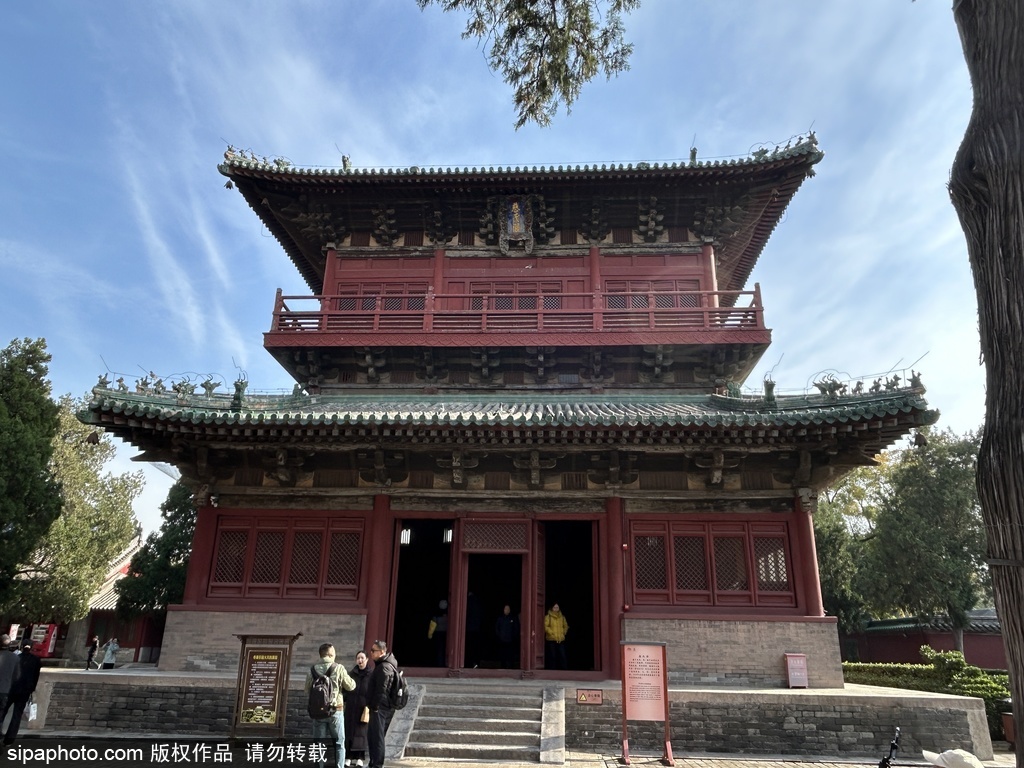
Song Dynasty Architectural Style
Overview
The Song Dynasty (960-1279) in China was a period of significant cultural and architectural development. This era witnessed the evolution of distinctive architectural styles that would influence Chinese construction for centuries. Song Dynasty architecture is characterized by its use of intricate wooden structures, elaborate roof designs and meticulous attention to detail. The architecture of this period also embraced innovations in building techniques and materials, reflecting a harmonious blend of aesthetics and functionality.
Longxing Temple, located in Zhengding county, Hebei province, is a quintessential example of Song Dynasty architectural style. Originally built in 586 during the Sui Dynasty (581-618), the temple underwent significant renovations during the Northern Song period, becoming a prominent site of Buddhist worship. The temple complex features various structures that exemplify Song architectural principles.
Key Architectural Features
Wooden Structures and Roof Designs
Song Dynasty architecture prominently featured wooden structures, which were both robust and flexible. Wood was the primary building material due to its availability and workability. Traditional Chinese timber framing techniques were perfected during this time, resulting in structures that could withstand the region's climatic conditions. Roof designs in Song architecture were particularly notable for their complexity and elegance. Gabled and hipped roofs with gracefully upturned eaves were common. The roofs often featured intricate carvings and decorative elements, showcasing the craftsmanship of the period.
Symmetrical Layouts and Geometric Planning
Buildings from the Song Dynasty typically adhered to symmetrical layouts and geometric planning principles. The use of a central axis in the arrangement of structures was a defining feature, reflecting the importance of balance and order in Chinese philosophy. The layout of temples, palaces and gardens often followed a grid pattern, creating a sense of harmony and unity within the architectural ensemble.
Integration with Nature
An essential aspect of Song Dynasty architecture was its integration with the natural environment. Buildings were often designed to complement their surroundings, with careful consideration given to the landscape's topography, vegetation and water features. This harmonious relationship with nature was not only aesthetic but also practical, as it facilitated natural ventilation and lighting.
Influence and Legacy
The architectural innovations of the Song Dynasty had a lasting impact on subsequent Chinese architectural styles, influencing the design of buildings throughout the Ming and Qing dynasties (1368-1911). The principles established during this era, such as the use of wooden structures, intricate roof designs and harmonious integration with nature, continued to be valued in Chinese architectural practice. The Song Dynasty's emphasis on balance, symmetry and aesthetic beauty set a standard that would endure in Chinese culture for generations. Article reference1. Longxing Temple. chinaservicesinfo.com. 20192. Connecting the past with the future. chinadaily.com.cn. 2024Photo Gallery(2 pictures)CategoriesLifestyleTagArchitectureHistorical BuildingCatalogue1. Overview2. Key Architectural Features3. Influence and Legacy- - - []








